
Category: Digital Sovereignty
Digital sovereignty strategies covering vendor dependency, data residency, platform resilience, lock-in reduction, and continuity planning
Denmark wants consent for deepfakes
•
Why AI-Assisted Attacks Go Through The Side Door
•
AMD plans its chip supply further ahead
•
An AI Savings Target Is A Promise, Not A Result
•
Spotting AI-Generated Scams Is The Wrong Defence
•
Copyright and AI: Brussels asks again
•
BNP’s Google deal has a data boundary
•
EDPB: a fine unless the breach is minor
•
The KIDS Act gates AI chatbots
•
Denmark wants consent for deepfakes
•
Why AI-Assisted Attacks Go Through The Side Door
•
AMD plans its chip supply further ahead
•
An AI Savings Target Is A Promise, Not A Result
•
Spotting AI-Generated Scams Is The Wrong Defence
•
Copyright and AI: Brussels asks again
•
BNP’s Google deal has a data boundary
•
EDPB: a fine unless the breach is minor
•
The KIDS Act gates AI chatbots
•
Stay ahead of AI change. Get practical updates from Future Prep direct to your inbox.
By subscribing you agree to receive Future Prep news. Unsubscribe any time.

The European Commission awarded €180 million in sovereign cloud contracts assessed against its new Cloud Sovereignty Framework and SEAL levels. A working reference for procurement teams.

A supplier acquisition can quietly move national identity infrastructure under foreign jurisdiction. The DigiD sovereignty risk is a live example of how this happens, why EU law already rules it out and what every EU organisation running critical systems should check before the same logic applies to them.

When your AI provider gets blacklisted in one country and courted by another, governance teams face a new risk category: AI provider jurisdiction risk.
The EU sovereign cloud label has no agreed legal definition. Before trusting a vendor’s sovereignty claim, practitioners should demand written answers to three questions about ownership, jurisdiction and certification.
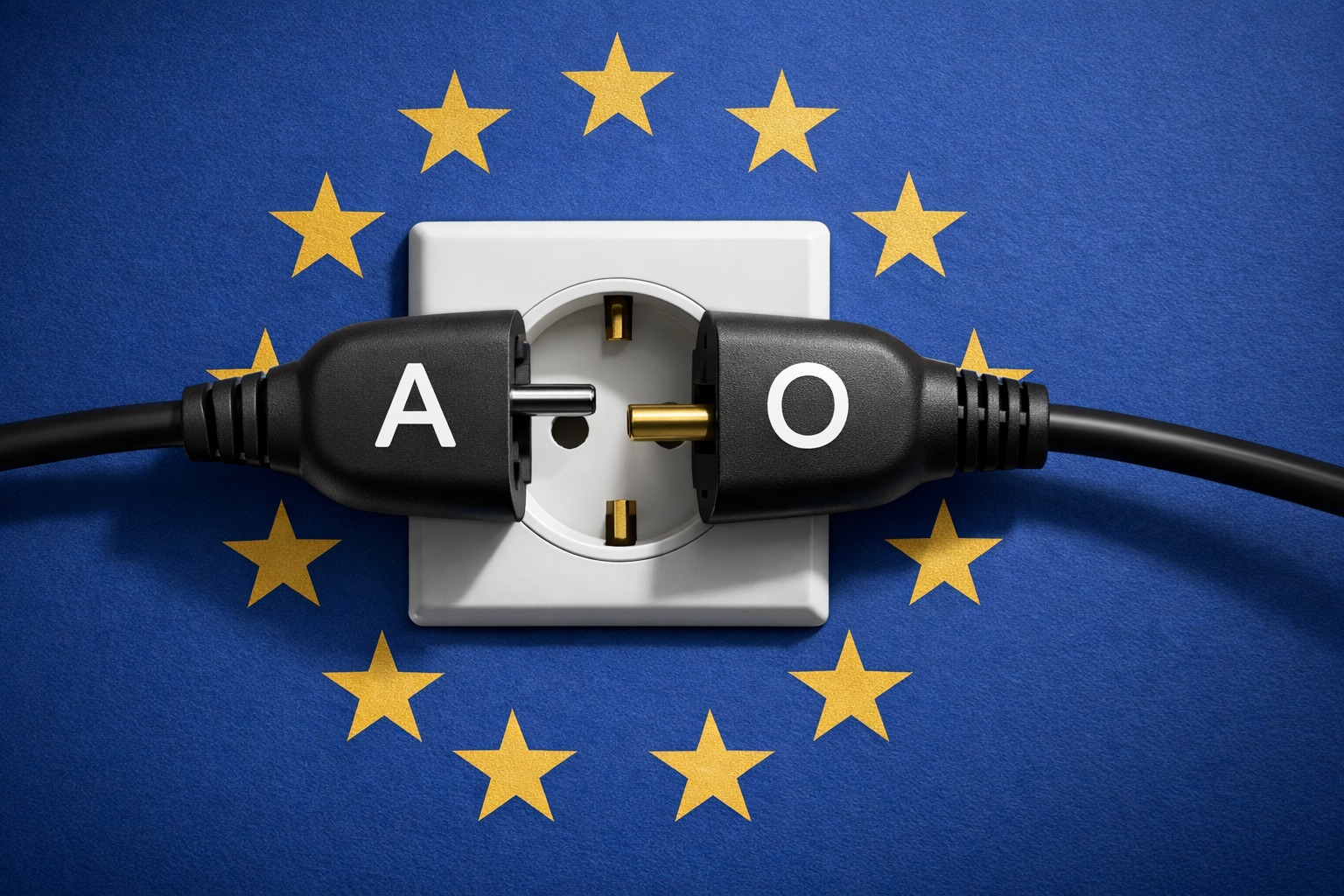
The Anthropic–Pentagon clash and the OpenAI deal that followed show how quickly access to a key AI platform can be reclassified by U.S. policy. EU organisations need a sovereignty-aware AI strategy before the next disruption forces the question.
Europe is building a hybrid AI sovereignty approach that links AI Act governance with shared compute and federated cloud infrastructure. This guide explains what it means for SMEs, procurement, and practical AI deployment choices.