
Category: Regulations
AI regulations EU organisations need to follow, including enforcement updates, guidance, and compliance deadlines
US proposes 15% tariff on all EU goods
•
Post-Quantum Cryptography Becomes A Buying Condition
•
EU Quantum Act asks for quantum-safe IT
•
UK regulators watch Meta’s Muse agent
•
GDPR records exemption to 1,000 staff
•
EU Academy users’ data leaked
•
CrowdStrike agrees to buy Zscaler
•
What A Zero Data Retention Promise Is Worth
•
What The US Remote Access Rule Means For Your Cloud
•

The European Commission is assessing whether ChatGPT qualifies for DSA platform designation. For deployers, this changes the risk profile of every AI tool built on a regulated platform.

The EU AI Act regulates AI inputs but says nothing about who owns the output. Most governance programmes have not addressed this gap. Here are four steps to close it.
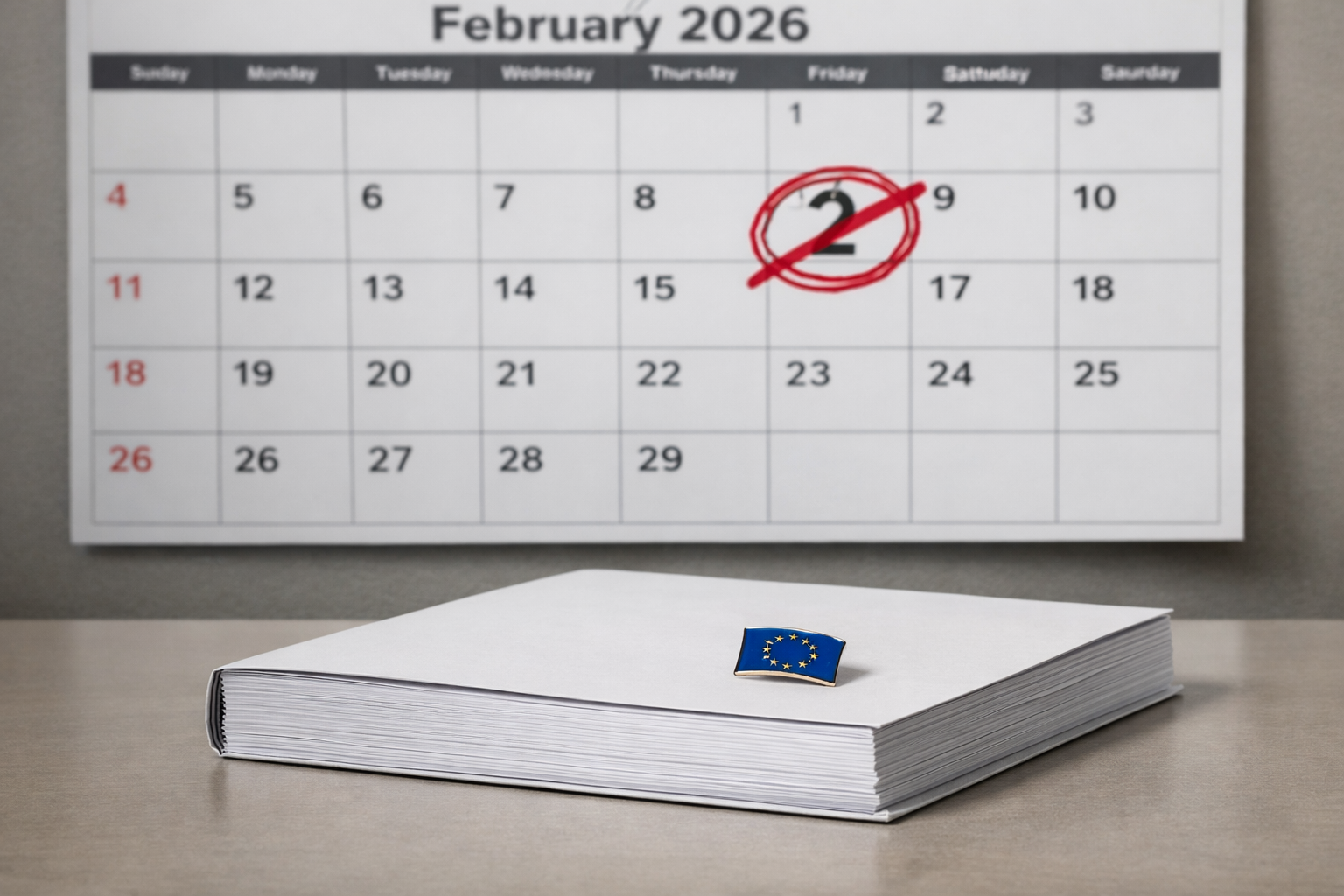
The European Commission missed its 2 February 2026 deadline to publish EU AI Act high-risk guidance. With August 2026 obligations still in force, EU SMEs cannot afford to wait for official clarity before acting.
The Anthropic–Pentagon clash and the OpenAI deal that followed show how quickly access to a key AI platform can be reclassified by U.S. policy. EU organisations need a sovereignty-aware AI strategy before the next disruption forces the question.
Europe is building a hybrid AI sovereignty approach that links AI Act governance with shared compute and federated cloud infrastructure. This guide explains what it means for SMEs, procurement, and practical AI deployment choices.

The Delhi AI Summit exposed a sharp divide on global AI governance, with the US rejecting centralized rules and the EU backing multilateral standards.