
Category: Digital Sovereignty
Digital sovereignty strategies covering vendor dependency, data residency, platform resilience, lock-in reduction, and continuity planning
When Your AI Vendor’s Market Power Becomes Your Governance Problem
•
EU Sovereign Cloud: What the Label Actually Means
•
Who Owns What Your AI Produces?
•
AI Act: only eight Member States ready
•
“EU sovereign cloud”: a marketing label
•
Reuters made AI literacy mandatory
•
AI Act: Five Months to Go
•
US AI Framework Targets State Patchwork
•
US States Advance AI Regulation Wave
•
When Your AI Vendor’s Market Power Becomes Your Governance Problem
•
EU Sovereign Cloud: What the Label Actually Means
•
Who Owns What Your AI Produces?
•
AI Act: only eight Member States ready
•
“EU sovereign cloud”: a marketing label
•
Reuters made AI literacy mandatory
•
AI Act: Five Months to Go
•
US AI Framework Targets State Patchwork
•
US States Advance AI Regulation Wave
•
Stay ahead of AI change. Get practical updates from Future Prep direct to your inbox.
By subscribing you agree to receive Future Prep updates. Unsubscribe any time.

The EU sovereign cloud label has no agreed legal definition. Before trusting a vendor’s sovereignty claim, practitioners should demand written answers to three questions about ownership, jurisdiction and certification.
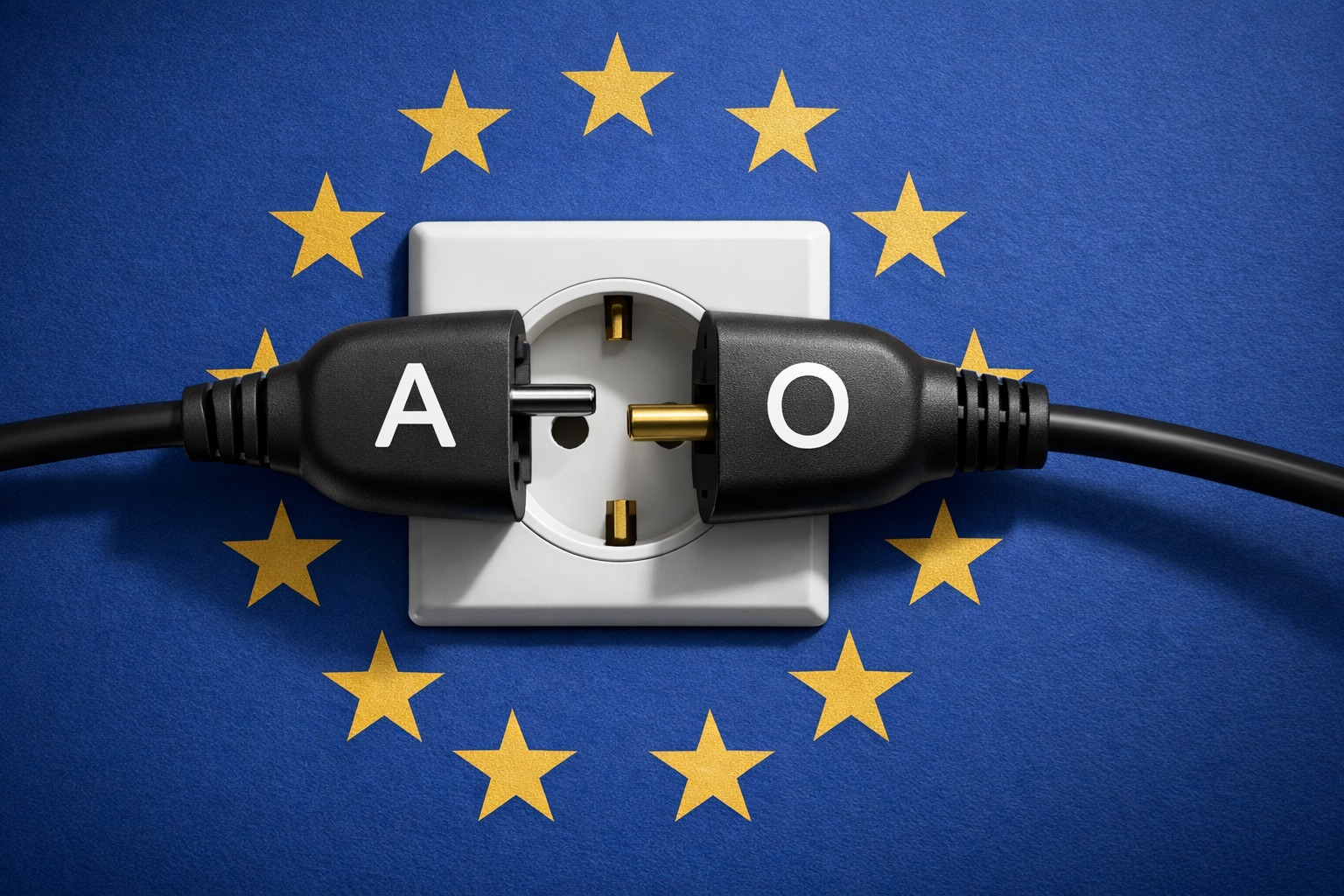
The Anthropic–Pentagon clash and the OpenAI deal that followed show how quickly access to a key AI platform can be reclassified by U.S. policy. EU organisations need a sovereignty-aware AI strategy before the next disruption forces the question.
Europe is building a hybrid AI sovereignty approach that links AI Act governance with shared compute and federated cloud infrastructure. This guide explains what it means for SMEs, procurement, and practical AI deployment choices.